

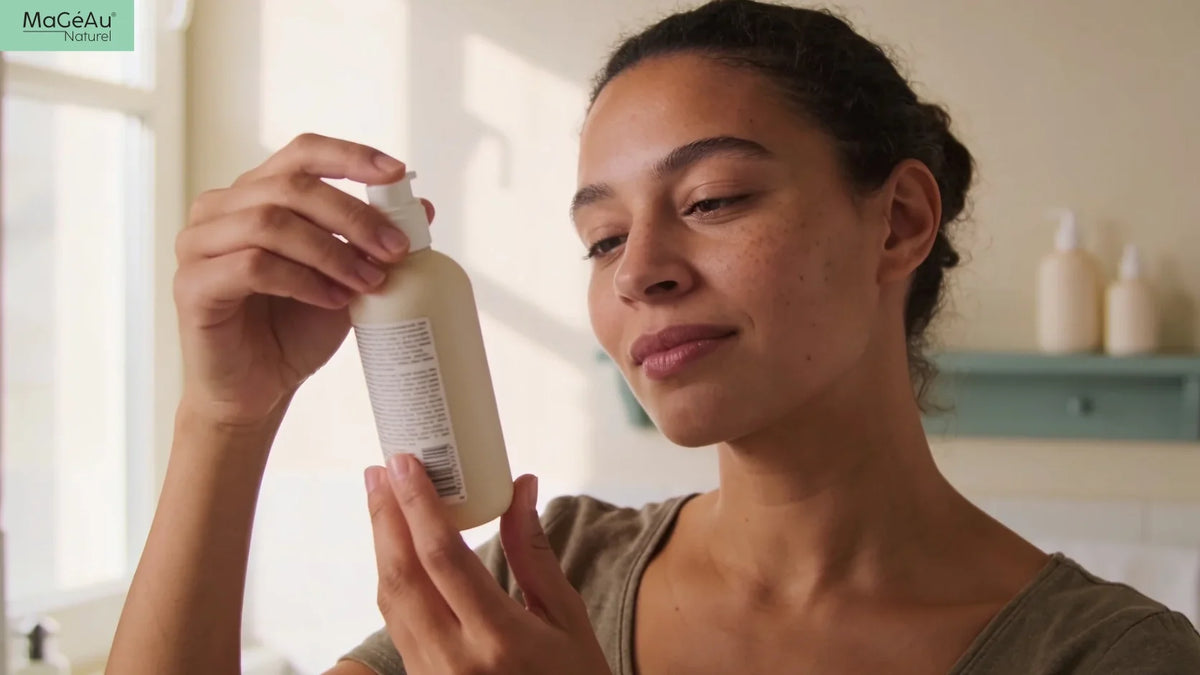
Drehen Sie eine beliebige Flasche in Ihrem Badezimmer um, und Sie werden auf dasselbe stoßen: einen Block winziger Schrift, der so aussieht, als wäre er dazu geschrieben worden, ignoriert zu werden. Die meisten Leute werfen einen Blick darauf, sehen ein Wort wie „Butyrospermum Parkii“ und geben komplett auf. Was schade ist, denn ein kosmetisches Inhaltsstoffetikett ist wirklich eines der ehrlichsten Dokumente in der gesamten Schönheitsindustrie, wenn man die Regeln kennt, unter denen es geschrieben ist. Dies ist die INCI-Anleitung zum richtigen Lesen, ein Chemiestudium ist nicht erforderlich.
Was INCI eigentlich bedeutet und warum es existiert
INCI steht für International Nomenclature of Cosmetic Ingredients, ein standardisiertes Benennungssystem, damit ein Inhaltsstoff auf einem Etikett in Paris, Zürich oder Tokio immer gleich bezeichnet wird. Nach EU-Recht müssen Inhaltsstoffe unter Verwendung der gebräuchlichen Namen aufgeführt werden, die in einem offiziellen Glossar der Europäischen Kommission festgelegt sind, welches auf international anerkannten Nomenklaturen, einschließlich INCI, basiert, wie aus einem Bericht von eur-lex.europa.eu, der Rechtsdatenbank der EU, hervorgeht, der sich auf die Verordnung (EG) Nr. 1223/2009 bezieht. Dieses Glossar selbst, CosIng genannt, wird direkt von der Europäischen Kommission veröffentlicht und gepflegt, wie aus einem Bericht von single-market-economy.ec.europa.eu hervorgeht. Mit anderen Worten, dieser einschüchternde lateinische Name auf Ihrer Feuchtigkeitscreme ist kein Versuch einer Marke, sich schick zu machen, sondern ein gesetzlich vorgeschriebener, staatlich veröffentlichter Name. Irgendwie macht das die Sache weniger beängstigend und gleichzeitig beängstigender.
Die eine Regel, die das gesamte Etikett entschlüsselt
Hier ist die Frage, die wirklich zählt: Welche fünf Wörter auf dieser Liste verraten Ihnen fast alles? Antwort: Die ersten fünf, fast immer. Inhaltsstoffe müssen in absteigender Reihenfolge ihrer Konzentration nach Gewicht zum Zeitpunkt der Zugabe aufgeführt werden, mit einer wichtigen Ausnahme: Alles unter 1 % Konzentration kann in beliebiger Reihenfolge nach der Hauptliste erscheinen. Das bedeutet, dass die ersten vier oder fünf Inhaltsstoffe typischerweise den größten Teil dessen ausmachen, was tatsächlich in der Flasche ist, und alles nach der „unter 1 %“-Grenze ist eher Würze als Substanz.
Deshalb ist es meistens Zeitverschwendung, zwei Produkte zu vergleichen, indem man die gesamte Inhaltsstoffliste durchsieht. Vergleichen Sie stattdessen die ersten fünf. Dort steckt die eigentliche Geschichte.
Wasser versteckt sich nicht, es wird nur Aqua genannt
Pflanzliche Inhaltsstoffe werden mit ihrem lateinischen botanischen Namen aufgeführt, wobei der gebräuchliche Name manchmal in Klammern hinzugefügt wird, weshalb eine Reinigungslotion wie eine Botanikprüfung aussehen kann. Wasser ist immer „Aqua“. Eine Sheabutter-basierte Creme wird „Butyrospermum Parkii Butter“ auflisten. Nichts davon ist ein Versuch, etwas zu verschleiern, es ist einfach das standardisierte System, das genau wie vorgesehen funktioniert und die globale Konsistenz über die Lesbarkeit stellt.
Das Schlupfloch bei Duftstoffen, das man kennen sollte
Nun zu dem Teil, der Ihre Aufmerksamkeit verdient: „Parfum“ oder „Fragrance“ auf einem Etikett kann legal eine Mischung aus Dutzenden einzelner Aromastoffe darstellen, die unter einem Überbegriff zusammengefasst sind. Das ist kein Schlupfloch im eigentlichen Sinne, sondern ein in die Verordnung eingebauter Schutz von Geschäftsgeheimnissen, aber es bedeutet, dass das Wort „Duftstoff“ Ihnen fast nichts darüber verrät, was tatsächlich darin enthalten ist.
Es gibt jedoch ein Sicherheitsnetz. Wenn eine Duftstoffmischung einen der von der EU offiziell anerkannten Allergene über einem bestimmten Schwellenwert enthält – derzeit 0,001 % in Leave-on-Produkten und 0,01 % in Rinse-off-Produkten –, muss dieses spezifische Allergen einzeln aufgeführt werden, anstatt sich hinter „Parfum“ zu verstecken. Und dies wird immer gründlicher, nicht weniger: Die EU-Liste der individuell offenzulegenden Duftstoffallergene wird von 26 auf 82 Substanzen erweitert, wobei die neue Anforderung am 31. Juli 2026 in Kraft tritt, wie aus einem Bericht von obelis.net hervorgeht. Wenn Ihnen aufgefallen ist, dass die Zutatenlisten in letzter Zeit länger und spezifischer geworden sind, ist das sehr wahrscheinlich der Grund.
Lesen Sie auch: Die verborgenen Gefahren von Duftstoffen in Hautpflegeprodukten
Für reaktive oder empfindliche Haut ist dies genau der Grund, warum parfümfreie Produkte kein Marketing-Gag sind; sie entfernen einfach die eine Inhaltsstoffkategorie, die das Etikett rechtlich vage halten darf.
Lesen Sie auch: Parfümfreie hypoallergene Hautpflegeprodukte für Krebspatienten
Gemeinsames Lesen eines echten Etiketts
Theorie ist einfacher mit einer tatsächlichen Flasche in der Hand, also schnappen Sie sich die nächste und probieren Sie es aus. Finden Sie die ersten fünf Inhaltsstoffe. Ist Wasser an erster Stelle (sehr üblich und völlig normal)? Gibt es ein benanntes Öl oder Feuchthaltemittel in der Nähe der Spitze (ein gutes Zeichen dafür, dass die Formel tatsächlich etwas damit macht und nicht nur eine Spurenmenge für das Etikett hinzufügt)? Steht „Parfum“ eher am Anfang der Liste als am Ende (beachtenswert, da die Position grob die Konzentration widerspiegelt)?
Unsere eigenen Etiketten sind ein guter Ort, um dies zu üben, da es nichts zu verbergen gibt. Ein Etikett für ein Magnesium-Duschgel zeigt Ihnen eine einfache Liste, die zuerst sanfte Tenside nennt, anstatt einer Wand aus Füllstoffen. Ein Etikett für eine Magnesium-Körpermilch stellt feuchtigkeitsspendende und barriereunterstützende Inhaltsstoffe in den Vordergrund, anstatt sie ans Ende zu setzen, wo sie kaum auffallen würden. Und eine Magnesium-Handcreme, die von den meisten Menschen mehrmals täglich verwendet wird, sollte genau überprüft werden, da die Häufigkeit der Anwendung bei der kumulativen Exposition genauso wichtig ist wie die Konzentration.
Lesen Sie auch: Warum Frauen häufiger Körperlotion auftragen als Männer?
Etiketten sind nicht nur bei Feuchtigkeitscreme wichtig
Dieselbe Logik beim Lesen von Etiketten gilt auch für Produkte, die die Menschen nicht so sorgfältig prüfen, Lippenprodukte sind hier das offensichtliche Beispiel, da sie auf dünnerer, saugfähigerer Haut sitzen und, seien wir ehrlich, gelegentlich abgeleckt werden.
Lesen Sie auch: Wie kann ich meine Lippen natürlich rosa machen?
Die Worte auf der Vorderseite der Flasche, die weniger bedeuten, als man denkt
Noch etwas, das es wert ist zu wissen, bevor Sie einem Etikett vollständig vertrauen: Die INCI-Liste auf der Rückseite ist reguliert. Die meisten Wörter auf der Vorderseite sind es nicht. „Hypoallergen“, „dermatologisch getestet“ und „sauber“ haben in den meisten Märkten keine einzige, gesetzlich durchsetzbare Definition, was bedeutet, dass zwei Marken dasselbe Wort verwenden können, um Formulierungen mit sehr unterschiedlichen Inhaltsstofflisten zu beschreiben. Das Rückseitenetikett, das in der standardisierten INCI-Reihenfolge geschrieben ist, ist der Teil, der tatsächlich an Regeln gebunden ist. Die Vorderseite ist Marketing, das tut, was Marketing tut.
Das ist kein Grund, jeder Markenbehauptung grundsätzlich zu misstrauen, viele sind tatsächlich zutreffend, es ist lediglich ein Grund, die INCI-Liste als den entscheidenden Faktor zu betrachten, wann immer eine Behauptung auf der Vorderseite der Flasche und eine Inhaltsstoffliste widersprüchlich erscheinen.
Ein schneller Spickzettel für Warnsignale auf Etiketten
Drei schnelle Überprüfungen, die es sich lohnt, zur Gewohnheit zu machen: Steht „Parfum“ unter den ersten fünf Inhaltsstoffen und nicht am Ende, handelt es sich bei dem Produkt um eine Leave-on-Formulierung mit einer wirklich langen, schwer zu entschlüsselnden Liste (Abspülprodukte haben mehr Spielraum, da die Kontaktzeit kurz ist) und macht die Marke es einfach, die vollständige Liste online zu finden, nicht nur im Geschäft auf der physischen Verpackung. Eine Marke, die ihre Inhaltsstoffliste versteckt, sagt Ihnen etwas, auch wenn das Etikett selbst es nie tut.
Am Ende
Ein kosmetisches Inhaltsstoffetikett ist nicht dazu gedacht, Sie zu verwirren, auch wenn es sich oft so anfühlt. Es basiert auf einem wirklich strengen, staatlich gepflegten Benennungssystem, ist nach Konzentration geordnet und wird zunehmend transparenter in Bezug auf die eine Kategorie, den Duft, die früher am meisten verborgen war. Lernen Sie die „erste Fünf“-Regel, wissen Sie, dass lateinische Namen nur standardisierte Botanik sind, und achten Sie darauf, wo „Parfum“ auf der Liste steht. Das ist der größte Teil der INCI-Anleitung, die Sie jemals wirklich brauchen werden.
Ihre Haut liest das Etikett bereits perfekt, ob Sie es tun oder nicht. Sie könnten genauso gut aufholen.
Haftungsausschluss: Dieser Artikel dient ausschließlich Bildungs- und Informationszwecken und stellt keine medizinische oder regulatorische Beratung dar. Konsultieren Sie immer einen qualifizierten Dermatologen oder medizinisches Fachpersonal bezüglich spezifischer Inhaltsstoffempfindlichkeiten oder Allergien.


Kommentare (0)
Es gibt noch keine Kommentare. Sei der Erste, der einen Beitrag schreibt!