

Stand in a Swiss pharmacy and pick up a sunscreen, and the number on the front might say "LSF 30" instead of "SPF 30." Cross into the French-speaking part of the country and it becomes "FPS 30." Order the exact same bottle online from a UK retailer and it's back to "SPF 30" again. If you've ever wondered whether LSF 30 vs SPF 30 means you're getting different protection depending on which label you happen to be reading, here's the short answer: you're not. Here's the longer, more interesting answer for why the letters keep changing while the number never does.
Same test, different alphabet
LSF stands for Lichtschutzfaktor, the German word for "light protection factor." It's not a separate rating system, a regional variant, or a marketing spin on sun protection. It's a straight translation of the same three letters English speakers know as SPF, Sun Protection Factor. Swap the language and the abbreviation changes. The underlying number does not.
Both are measured using the same internationally recognized in vivo test method, ISO 24444, which determines a product's sun protection factor by comparing how much UV exposure protected skin can withstand before reddening compared to unprotected skin, according to a report published by blog.ansi.org. A product tested and labeled LSF 30 in Zurich went through the identical protocol as one labeled SPF 30 in London. Nobody re-tests the formula when it crosses a language border, only the sticker changes.
Why Switzerland even has this problem in the first place
Switzerland runs on three official languages, German, French, and Italian, and cosmetic labeling has to be comprehensible in at least one of them, which in practice usually means brands print all three on a single tube to avoid manufacturing separate runs for Zurich, Geneva, and Lugano. That's how one bottle ends up wearing LSF, FPS, and SPF all at once depending on which panel you're reading, a labeling reality rooted in the country's actual linguistic geography rather than any difference in formulation standards.
Also Read: How to Spot Genuine Clean Beauty Products
Reading a mixed-language label without getting confused
Pick up a tube sold across the whole Swiss market and it's fairly common to see something like "LSF/FPS/SPF 30" printed in a single line, sometimes stacked, sometimes side by side, all pointing at one number. It looks redundant until you remember it isn't three claims, it's one claim translated three times for three legally recognized audiences. The same logic shows up elsewhere in Europe too. Austrian and German packaging defaults to LSF, French and Belgian French packaging defaults to FPS, and English-language markets stick with SPF, but a product sold across borders, as most sunscreen is, often just prints whichever combination covers its distribution footprint. Once you know that, a label with three acronyms stops looking confusing and starts looking efficient.
The rule both labels have to follow
Whichever letters end up on the front, the number behind them has to earn its place. Under the EU's sunscreen effectiveness recommendation, a product can only carry a UVA protection claim if its UVA protection factor reaches at least one-third of the labeled SPF value, alongside a minimum critical wavelength of 370 nanometers, according to a report published by eur-lex.europa.eu. Practically, that means an SPF 30, or an LSF 30, sold anywhere that follows this standard has to demonstrate a UVA protection factor of at least 10 before it's allowed to put a UVA circle logo on the packaging. The letters on the front are cosmetic. The math behind them is regulated, and it's the same math regardless of which language printed the label.
Where the real gap actually is, and it isn't the label
Here's the detail that matters more than any acronym debate: most people apply roughly a quarter of the sunscreen amount used to generate that SPF or LSF number in the lab in the first place. The rating on the bottle assumes a layer of 2 milligrams per square centimeter of skin, and in real-world use that figure typically lands closer to 0.5 milligrams per square centimeter, according to a report published by pubmed.ncbi.nlm.nih.gov. Reduce the application amount by that much and the effective protection doesn't just drop a little, it can fall well below what's printed on the front, turning a supposed SPF 30 into something closer to an SPF 10 on actual skin. So the argument over LSF versus SPF is, in a strange way, the least important number on the whole bottle. How much you actually put on is the one doing all the real work.
Also Read: Revitalise Your Hands With Rejuvenating Hand Masks
The parts of the routine sunscreen alone doesn't cover
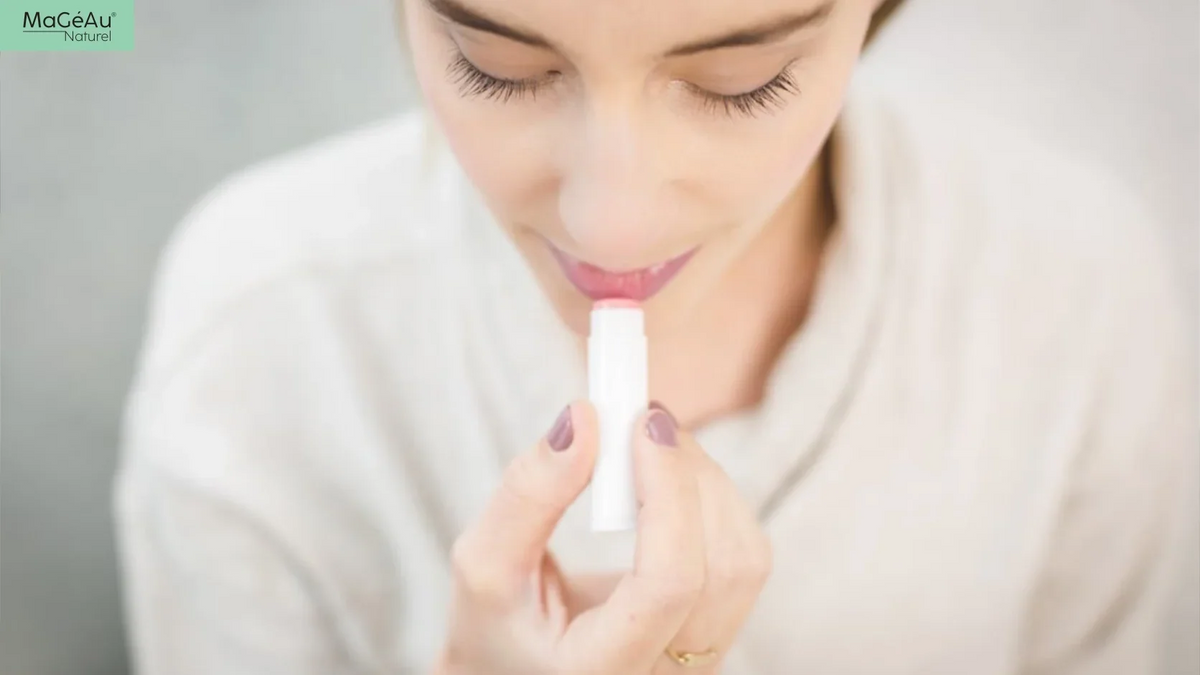
Sun protection is only half of what skin needs during a hot, high-exposure stretch of the year. Hands are outside constantly, gripping steering wheels, phones, and shopping bags in direct light, and they rarely get reapplied sunscreen even when the face does. A magnesium hand lotion used after washing and throughout the day helps that barrier recover from the combined stress of UV exposure, heat, and frequent hand washing that comes with summer routines. Lips face a similar blind spot: they have no oil glands of their own and burn easily, so a vegan lip balm reapplied through the day matters just as much on a bright afternoon as it does in winter wind.
Also Read: When Should I Use Lip Balm?
After the sun, not just during it
Whether the bottle you used said LSF or SPF, skin that's spent hours in strong light needs support once you're back indoors too. A magnesium body lotion applied in the evening helps replenish moisture that heat and UV exposure pull out of the skin over the course of a day outside, supporting the same barrier that sunscreen was protecting from the outside in. Sun protection and barrier repair aren't competing routines, they're two halves of getting through summer with reactive skin intact.
Diet plays a quieter role in the same story, supporting skin's resilience from the inside rather than the outside.
Also Read: 5 Benefits of Flaxseeds: Boost Skin and Hair Health
A quick way to stop second-guessing the label
Next time you're comparing bottles, skip the acronym entirely and check three things instead. Does the number match what you actually want, 30 for daily wear, 50 for extended outdoor exposure. Does it carry a UVA claim or logo, which tells you the one-third ratio has actually been verified rather than assumed. And realistically, are you applying enough of it, roughly a full teaspoon for the face and neck alone, to get anywhere near the number printed on the front. Answer those three and it genuinely doesn't matter whether the bottle says LSF, SPF, or FPS.
At the end
LSF 30 and SPF 30 aren't rival systems competing for your trust, they're the same tested, regulated number wearing a different national costume. Lichtschutzfaktor is just German for what English calls Sun Protection Factor, run through the identical ISO test, held to the identical UVA ratio requirement. The acronym on the front is a translation problem. Whether you actually apply enough of it, and whether you're supporting the rest of your skin barrier before and after, is the real question worth spending your attention on.
Same sun, same skin, same number. Just a different word for it depending on which side of the language border you're standing on.
Disclaimer: This article is intended for educational and informational purposes only and does not constitute medical advice. Always consult a qualified dermatologist or healthcare professional before making changes to your skincare routine, particularly if you have an existing skin condition.


Comments (0)
There are no comments for this article. Be the first one to leave a message!