


Are you standing like me in the skincare aisle, squinting at ingredients you can't pronounce, and wondering if any of it actually works? Well, let me introduce you to the one mineral that deserves a permanent spot in your bathroom cabinet: Magnesium. It has become increasingly popular for its transformative benefits. Although it's often overlooked in traditional skincare routines, magnesium has shown remarkable potential in improving skin health, tackling everything from stubborn dark spots to post-beach sun damage and dull, dehydrated skin and addressing issues like anti-ageing, hyperpigmentation, etc.
So, grab your favourite face mist, settle in, and let’s talk about why magnesium benefits for skin are genuinely worth getting excited about, and why it’s a game-changer for hyperpigmentation, sun damage, and overall skin health.
What Even is Magnesium, and Why Does Your Skin Love It?
Magnesium is a mineral your body relies on for hundreds of biochemical reactions. According to Moon Juice, it’s responsible for over 300 enzymatic processes in the human body, from DNA repair to cell regeneration. Yet, and this might shock you, nearly 50% of the population is deficient in it. And when your magnesium levels drop, your skin is usually one of the first places to wave the white flag: dullness, dryness, breakouts, and early signs of ageing can all trace back to this one little mineral.

Magnesium: The Secret Weapon Against Hyperpigmentation and Sun Damage
Reducing Hyperpigmentation
If you’ve ever Googled “how to get rid of dark spots” at 1 am, you are absolutely not alone. Hyperpigmentation is those frustrating dark patches that often appear due to sun exposure, and can be challenging to manage.
Magnesium plays a significant role in reducing the appearance of hyperpigmentation. According to Magnesium Relief, magnesium helps regulate the production of melanin (the pigment responsible for dark spots). When the skin is damaged by the sun, it produces more melanin as a defence mechanism, leading to dark spots and uneven skin tone. Magnesium helps normalise melanin production, leading to a more even complexion over time.
The science backs it up, too. According to research published on PubMed, a magnesium compound called Magnesium-L-Ascorbyl-2-Phosphate (VC-PMG) was found to suppress melanin formation, with a significant skin-lightening effect observed in 19 out of 34 patients with chloasma and senile freckles. Trust me, that’s not a small number; that’s a result worth paying attention to.
But Wait, Does Magnesium Darken Skin?
This is a really common question, and the short answer is: no. According to RexMD, when UV radiation damages the skin, it triggers excess melanin production as a defence response, and it is this overproduction that creates dark patches and uneven tone. Magnesium specifically helps protect cells from that oxidative stress, acting almost like “an internal sunscreen,” working to normalise melanin production rather than stimulate it.

Healing Sun Damage
Okay, sun damage. The thing we only really think about when we are at a beach holiday with no SPF in sight. See, the sun’s UV rays trigger oxidative stress in your skin cells, basically the cellular equivalent of a really bad day that just won’t end. And the aftereffects? Sunspots, fine lines, uneven texture, and that “tired” look that apparently no concealer seems to fix.
This is where magnesium in sun damage repair becomes genuinely exciting. According to Performance Lab, a rodent study published in Frontiers of Pharmacology found that a combination treatment including magnesium biotinate helped protect against skin damage caused by UVB rays, with improvements in skin appearance, elasticity, inflammation, and overall skin health observed.
To be honest, Sun damage can cause long-term harm to the skin, including premature ageing, wrinkles, and hyperpigmentation. Magnesium assists in repairing damaged skin cells and promoting the growth of new, healthy ones.

Why Topical Magnesium is Best?
Topical magnesium, found in creams, oils, and lotions, has shown genuine clinical promise, and for good reason. According to a comprehensive review published on ScienceDirect, magnesium influences keratinocyte proliferation, fibroblast migration, collagen synthesis, and barrier function, all of which are foundational to healthy, resilient skin. While magnesium can be taken orally, much of it is lost during the digestive process. That’s why absorbing magnesium through the skin is one of the most effective ways to boost your levels of this essential mineral.
Clinical studies further support this. According to Moon Juice, a clinical trial found that topical application of a 2% magnesium cream significantly improved skin inflammation in children, and a separate 2005 clinical trial found that bathing in a magnesium-rich Dead Sea salt solution significantly reduced skin redness and roughness in people with atopic dry skin. So, yes, magnesium is a cream for skin, and the science is giving a very confident thumbs up.
Using products like magnesium body lotions, oils, and gels allows your body to absorb magnesium directly through the skin, bypassing the digestive system. This makes it easier for your skin to reap the full benefits of magnesium, improving hydration, elasticity, and overall skin health.
The Skin-Loving Benefits of Magnesium
1. Restores and Brightens the Skin
We all want that shining glass-skin glow, the kind that looks lit from within and like you’ve had eight hours of sleep, a green smoothie, and zero stress. Well, magnesium might just be your most accessible route there.
Magnesium plays a crucial role in skin cell growth and repair. This is especially important for addressing hyperpigmentation (dark spots) and sun damage, two common concerns caused by overexposure to the sun’s harmful UV rays. According to Performance Lab, research shows that magnesium salts bind to water and enhance the skin’s natural permeability barrier repair, boosting hydration in the skin's outermost layer and reducing roughness and inflammation. Better moisture, smoother texture, fewer “ugh, my skin looks terrible” mornings.
And that’s why our Magnesium Body Lotion and Magnesium Hand Lotion works alongside other beneficial ingredients to restore the skin's moisture balance, leaving it soft, supple, and glowing. With regular use, you’ll notice an improvement in your skin’s radiance as it becomes more even-toned and bright.
2. Hydrates for a Plumper, Youthful Appearance
One of magnesium’s standout benefits is its ability to deeply hydrate the skin. This is key to maintaining youthful, plump skin. Magnesium supports the skin’s ability to retain moisture, keeping it hydrated for longer periods. This results in a smoother texture and reduces the appearance of fine lines and wrinkles.
Our Magnesium Body Oil is perfect for delivering long-lasting hydration. Not only does it help your skin retain moisture, but it also leaves it feeling nourished and revitalised. With consistent use, you’ll see a more youthful and firm appearance as your skin maintains its natural elasticity.
3. Soothes Sensitive and Inflamed Skin
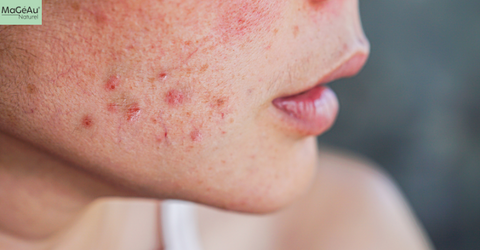
If your skin throws a tantrum at the slightest issue, unexpected redness, rosacea flare-ups, or acne breakouts from stress about your acne, magnesium might just be the calmness it’s been looking for. According to the review published on JAAD Reviews, preclinical and clinical evidence suggest that magnesium has potential benefits in atopic dermatitis, psoriasis, and acne, with its ability to modulate inflammatory signalling pathways playing a key supporting role. It’s the skincare equivalent of a deep breath, and trust me, your skin will feel it.
4. Anti-Ageing Properties
Here’s the truth about ageing: you can’t stop it, but you can absolutely slow it down. And magnesium is one of the most underrated tools for doing exactly that. According to Higher Dose, magnesium deficiency increases inflammatory stress that causes redness, leads to hyperpigmentation, and accelerates skin ageing. Keeping your magnesium levels topped up is, genuinely, one of the simplest and most natural anti-ageing strategies you can add to your daily routine, no harsh chemicals required.
A healthy skin barrier is crucial for protecting your skin from external aggressors like pollution, UV rays, and environmental toxins. Magnesium helps improve the skin barrier function, making your skin more resilient to damage, and keeping your skin firm and youthful-looking.
5. Skin Barrier Strength
Think of your skin barrier as the bouncer at the door of a very exclusive club. It decides what gets in (moisture, good nutrients) and what gets turned away (pollution, allergens, UV damage). When it’s working well, your skin stays hydrated, plump, and resilient. When is it damaged? Dryness, sensitivity, and all-around grumpiness follow.
According to ScienceDirect, magnesium plays a direct role in barrier function and collagen synthesis, making it a particularly important ingredient for anyone dealing with dry, compromised, or reactive skin. A stronger barrier means better moisture retention, less sensitivity, and skin that can actually defend itself against the daily stressors modern life loves to throw at it.
The Bottom Line: Go Give Your Skin Some Magnesium Love
So, there you have it, magnesium benefits for skin are wide, well-documented, and genuinely exciting. Whether you’re fighting stubborn hyperpigmentation, healing sun-damaged skin, soothing a reactive complexion, or just trying to keep things looking fresh and bouncy, this humble mineral deserves a permanent place in your skincare routine.
The best part? You don’t need a complicated 12-step routine or a prescription to access these benefits. A thoughtfully formulated magnesium cream, lotion, or oil can deliver real, visible results, gently, naturally, and without the drama.
Your skin works incredibly hard for you every single day. Give it the mineral support it’s been quietly asking for. It’ll thank you with every glow-up. Take care. 🌿
Disclaimer:
This article is intended for educational and informational purposes only and does not constitute medical advice. Always consult a qualified dermatologist or healthcare professional before making changes to your skincare routine, particularly if you have an existing skin condition.

Comments (0)
There are no comments for this article. Be the first one to leave a message!