

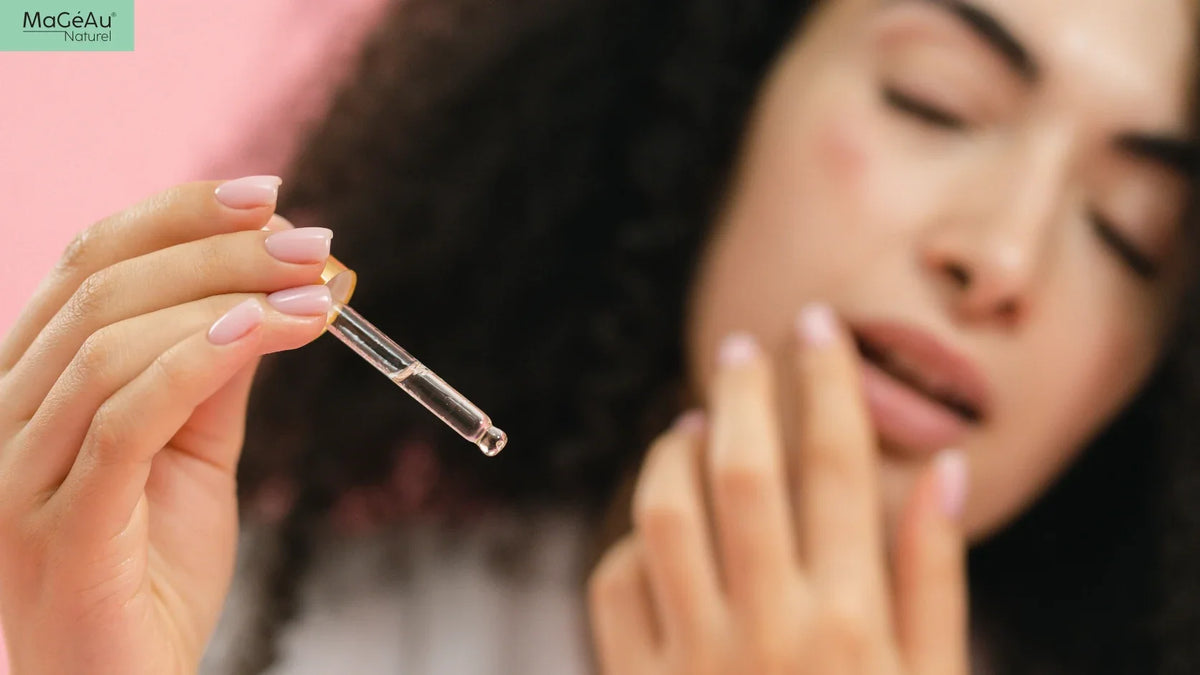
Retinol has one of the strangest reputations in skincare: universally recommended, and universally the ingredient most likely to make reactive skin regret trying it. If you've searched retinol alternatives for sensitive skin after a week of stinging, flaking, or a face that suddenly can't tolerate anything else in your routine, you're not looking for a lesser option. You're looking for the ones the research actually backs.
Why retinol specifically picks a fight with reactive skin
The irritation isn't random bad luck. Retinol works by activating nuclear retinoic acid receptors and triggering a cytokine response in skin cells, a mechanism that produces genuine benefits but also directly causes the erythema, stinging, and desquamation so many users report, particularly on skin that's already prone to inflammation. A recent patch test study evaluating retinol-induced irritation found that even at a modest 0.1% concentration, skin barrier compromise showed up clearly enough to measure across a formal cumulative irritation index, according to a report published by ncbi.nlm.nih.gov, in the Journal of Cosmetic Dermatology. Sensitive skin isn't overreacting to retinol. It's reacting exactly the way the mechanism predicts, just more visibly than skin with a sturdier barrier to begin with.
Also Read: Understanding the Causes of Cracked Hands
Bakuchiol: the most studied alternative, and why
Bakuchiol, a compound derived from the babchi plant, is the alternative with the most direct head-to-head research behind it. A gene expression profiling study comparing bakuchiol and retinol in a full-thickness skin model found bakuchiol produced retinol-like activity, including effects on collagen types I, III, and IV, without triggering the same irritation pathway, according to a report published by onlinelibrary.wiley.com, in the International Journal of Cosmetic Science. That's a meaningfully different finding from most "natural alternative" claims, which tend to rest on marketing rather than comparative lab data. Bakuchiol isn't positioned as a weaker retinol. It's positioned as a chemically different route to a similar destination, one that happens to be gentler on the way there.
Also Read: The Benefits of Magnesium in Hyperpigmentation and Sun Damage
The niacinamide and peptide combination worth knowing about
A randomized, controlled study published in the British Journal of Dermatology compared a cosmetic regimen combining niacinamide, palmitoyl peptides, and retinyl propionate against prescription 0.02% tretinoin, and found the cosmetic combination delivered comparable improvement in fine lines with meaningfully better tolerability, according to a report published by ncbi.nlm.nih.gov. Niacinamide and peptides work through different pathways than retinoids, supporting ceramide synthesis and ongoing collagen signaling rather than forcing the same receptor-driven turnover that causes retinol's characteristic sting. For reactive skin, that mechanistic difference is the actual point, not a consolation prize.
Also Read: Why French and German Sensitive Skin Routines Look So Different
Where the two approaches actually differ under the skin
The distinction between retinol and its alternatives isn't just about intensity, it's about which biological switch gets flipped. Retinol binds directly to nuclear retinoic acid receptors, forcing accelerated cell turnover whether or not your skin's barrier is ready to handle the pace, which is exactly why the same dose that one person tolerates fine leaves someone else flaking within days. Bakuchiol appears to influence similar downstream gene expression, collagen types and aquaporin activity among them, without binding that same receptor pathway directly, which is the likely reason the irritation profile looks so different in side-by-side comparisons even when the measured skin benefits land in a similar range. Niacinamide works differently again, supporting ceramide production and barrier lipids rather than pushing turnover at all, which is part of why it pairs so easily with other actives instead of competing with them for tolerance.
Other alternatives worth knowing, with appropriately sized expectations
Beyond bakuchiol and niacinamide, plant-derived options like milk thistle extract have started appearing in comparative research as gentler routes toward similar skin-comfort goals, though the evidence base behind most of these newer entrants is still thinner than what exists for bakuchiol specifically. Peptide-only formulas, without any retinoid or retinol-adjacent compound at all, are a reasonable starting point for someone whose skin reacts to nearly everything else, precisely because peptides don't force turnover the way retinoids and bakuchiol both do to varying degrees. The honest answer for "which alternative is best" is usually "whichever one your skin actually tolerates long enough to notice a difference," which is a less satisfying answer than a single winner, but a more accurate one.
Being precise about what these ingredients actually do
It's worth stating this plainly: none of these ingredients treat a skin condition, and nothing here is a substitute for a dermatologist's guidance if you're managing diagnosed acne, rosacea, or another medical concern. What bakuchiol, niacinamide, and peptides can genuinely offer is cosmetic comfort and tolerance, supporting how skin looks and feels day to day without the receptor-driven irritation that makes retinol difficult for so many reactive complexions to sustain long enough to see any benefit at all.
Building a routine around gentler actives
Any active ingredient, gentle or not, performs better on skin that's properly prepped rather than already compromised. A magnesium face cleanser used both morning and evening keeps skin clean without the aggressive stripping that leaves a barrier more reactive to whatever comes next, which matters even more once you're introducing a new active into the mix. Applying a retinol alternative to skin that's still tight or dry from cleansing tends to amplify whatever mild irritation the ingredient might otherwise cause, so the groundwork genuinely matters here.
Also Read: Fungal Acne Diet: Foods to Avoid and Foods to Eat
Supporting the barrier around a new active
Whatever alternative you introduce, the surrounding routine should be doing the quiet supporting work, not adding another variable your skin has to adjust to at the same time. A magnesium body oil applied after a shower on drier evenings helps skin retain the moisture a barrier needs while it's adapting to something new in the facial routine, and a magnesium body lotion used consistently across the rest of the body keeps the skin surrounding your face-focused routine from becoming its own separate irritation source. Reactive skin rarely reacts to just one product in isolation, it reacts to the cumulative load of everything touching it that week.
Also Read: Sleep & Skin Repair: A Gentle Night Routine for Reactive Skin
Reading the label before trusting the marketing
"Retinol alternative" has become a marketing phrase applied loosely to almost anything botanical, which makes it worth checking what's actually inside a formula rather than trusting the phrase on the front. Fragrance load in particular deserves a second look, since a product marketed as gentle can still carry a fragrance blend hiding several named allergens behind a single word on the ingredient list.
Also Read: What's Actually Hiding Behind "Parfum" on Your Skincare Label
Introducing any alternative slowly, still
Gentler doesn't mean risk-free. Bakuchiol and niacinamide cause far less irritation on average than retinol, but "far less" isn't "none," and reactive skin benefits from the same patient introduction regardless of which active is involved: patch test first, introduce two to three nights a week before daily use, and give any new ingredient a genuine two-week window before deciding whether it belongs in your routine long term.
At the end
Retinol alternatives for sensitive skin aren't a downgrade, they're a different mechanism entirely, and the research behind bakuchiol and niacinamide-peptide combinations is real enough to take seriously rather than treating it as a softer, lesser choice. Prep the skin properly, introduce slowly, and judge the ingredient on what the studies actually measured rather than what the label promises.
The goal was never retinol specifically. It was always just skin that felt good enough to keep the routine going.
Disclaimer: This article is intended for educational and informational purposes only and does not constitute medical advice. Always consult a qualified dermatologist or healthcare professional before making changes to your skincare routine, particularly if you have an existing skin condition.


Comments (0)
There are no comments for this article. Be the first one to leave a message!