


Ok, let's talk about your hands for a second. Yes, actually looking at them, not just washing them on autopilot fifteen times a day. They're out here typing, cooking, gripping shopping bags, and getting hit with hot water and soap more than any other part of your body. And yet hand skincare is usually the last thing on anyone's list, right after "finally organise the garage."
That constant use catches up fast: dryness, cracking, a dull, papery look that ages your hands faster than the rest of your face. The good news? One simple habit fixes a surprising amount of it: hand exfoliation. Not glamorous, I know, but stick with me.
In this guide, we're breaking down real hand exfoliation techniques, the ones dermatologists actually recommend, so you can bring some life back to hands that have been quietly doing all the work.
Why Hand Exfoliation Techniques Deserve a Spot in Your Routine
Hand exfoliation is exactly what it sounds like: sweeping away the dead skin cells sitting on the surface so the fresher, healthier skin underneath can actually show up. Here's what that gets you:
Smoother Texture: once the dead cells are gone, your skin genuinely feels different under your fingers, softer, more even, less like sandpaper.
Enhanced Radiance: fresh skin reflects light better than tired, flaky skin. Basic science, but it works.
Improved Absorption: this is the one people miss. Exfoliating clears the path so your moisturiser actually sinks in instead of sitting on top like a raincoat.
Increased Circulation: the massaging motion gets blood moving to the surface, which supports your skin's natural renewal process.
Also Read: Can Magnesium Really Support Collagen? Here's What the Research Says
Effective Hand Exfoliation Techniques You Can Actually Stick To
There isn't just one "right" way to exfoliate your hands, and honestly, that's good news. You get to pick what fits your skin and your patience level.
Broadly, exfoliation splits into two camps: physical (scrubbing away dead skin with texture) and chemical (using acids or enzymes to dissolve the bonds holding dead cells in place). According to an article published by aad.org, the American Academy of Dermatology, chemical exfoliants like AHAs and BHAs tend to give a more even result and can help with tone and texture, while physical scrubs work well for rough patches like knuckles, as long as you're gentle about it.
Gentle Scrubs: look for a scrub actually formulated for exfoliation rather than raiding your kitchen cupboard blind. Massage it onto damp hands in small circles for about a minute, focusing on knuckles and any rough patches, then rinse and pat dry.
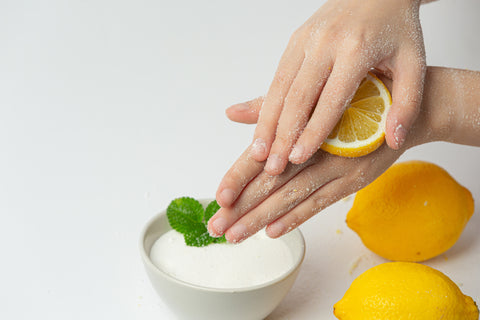
DIY Sugar or Salt Scrubs: mix equal parts sugar or salt with a nourishing oil like olive, coconut, or almond oil. Massage in circular motions, rinse, moisturise. Kitchen cupboard skincare, finally useful for something other than baking.
Exfoliating Gloves or Brushes: wet your hands, add a small amount of exfoliant, then gently work the gloves or brush over dry or rough areas. Rinse thoroughly and follow with moisturiser.
Natural Exfoliants: oatmeal mixed with yoghurt or honey makes a surprisingly effective paste. Massage it in for a few minutes, then rinse off and watch the difference.
How often should you actually do this? Research on exfoliation frequency generally points to one to three times a week for most skin types, with sensitive or dry hands doing better closer to once a week. Over-exfoliating is one of the most common skincare mistakes there is, and it can leave your skin barrier more irritated and drier than when you started, so more isn't always better here.
Also Read: Patch Testing for Sensitive Skin: The Right Way to Do It
The Power of Magnesium Hand Lotion After Exfoliating
Post-exfoliation, your hands are basically standing there with their hand out (no pun intended... ok, slightly intended) asking for moisture. This is the moment to give it to them. Our Magnesium Hand Lotion is formulated with magnesium to rejuvenate, replenish, and soothe freshly exfoliated skin, keeping your hands hydrated, protected, and looking noticeably less "worked to the bone."
Skipping this step is like buffing a car and never waxing it. Sure, it looks fine for an hour. But you're leaving all the benefit on the table.
Also Read: The Skinimalism Trend: A Simpler Skincare Routine for Sensitive Skin
Building Hand Exfoliation Techniques Into a Fuller Routine
Your hands don't just get dry from exfoliating, they get dry from everything else you do with them too. If you're shampooing and applying conditioner every other day, the same product residue and hot water drying out your scalp is drying out your hands right along with it. That's part of why we formulated our Magnesium Conditioner to be gentle enough that it isn't working against the hands applying it.
Same logic applies in the shower. If you exfoliate your hands as part of your shower routine (and a lot of people do, which makes sense), follow it up with a gentle, pH-balanced cleanser rather than something that strips everything you just worked to smooth out. Our Magnesium Shower Gel was built for exactly that: cleansing without undoing the work.
Also Read: Skin Microbiome 101: What Actually Protects Sensitive Skin
Common Mistakes That Undo Your Hand Exfoliation Techniques
A few ways people accidentally sabotage themselves:
Scrubbing too hard, too often. More friction doesn't mean more results, it usually just means more irritation.
Using harsh, jagged exfoliants. Old-school scrubs with crushed shells or pits can create tiny tears in the skin you don't even notice until they sting later. Rounded sugar or jojoba beads are the gentler, smarter choice.
Skipping moisturiser afterward. Exfoliating without following up with hydration is like opening a window in winter and just... leaving it open. Why would you do that to yourself?
Exfoliating over broken or irritated skin. If your hands are already cracked, inflamed, or sore, exfoliation can make things worse and delay healing. Let the skin calm down first, then bring exfoliation back in gradually.
Also Read: How to Choose Safe Skincare During & After Chemotherapy or Radiotherapy
Final Verdict
Hand exfoliation techniques aren't complicated, and they don't need to take over your routine. A few gentle minutes, once or twice a week, is genuinely enough to notice smoother, brighter, more hydrated hands within a couple of weeks. Follow it up with the right moisturiser, don't overdo it, and your hands will stop looking like they've been quietly fighting your entire to-do list on their own.
Give them the five minutes they've earned. They've more than earned it.
Disclaimer
This article is intended for educational and informational purposes only and does not constitute medical advice. Always consult a qualified dermatologist or healthcare professional before making changes to your skincare routine, particularly if you have an existing skin condition.

Comments (0)
There are no comments for this article. Be the first one to leave a message!